
Vascular Care
ARTERY DISEASE
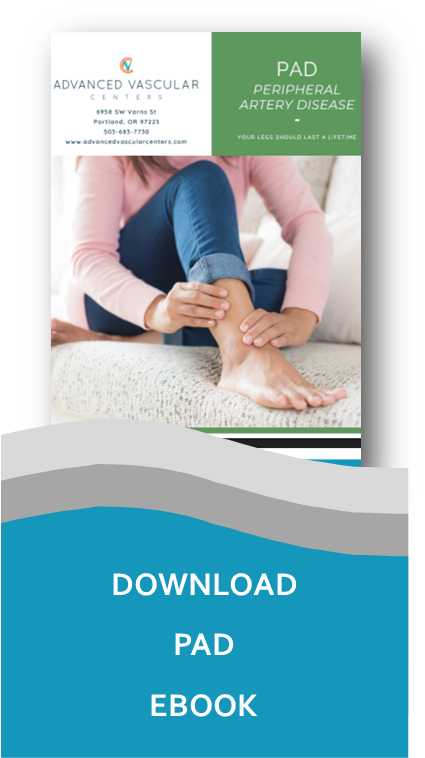
PERIPHERAL ARTERIAL DISEASE (PAD)
Peripheral arterial disease, or PAD, is a serious health problem in the United States and it is significantly under diagnosed. Peripheral arterial disease specialists warn that one-third of all patients who require amputation as a result of PAD will die within 2 to 4 years and nearly 50% won’t live more than 5 years. There is also evidence that those who suffer from peripheral arterial disease most likely have other areas with blocked arteries, which can lead to heart attacks and stroke. Risk factors include aging, diabetes, and smoking.
DOWNLOAD PERIPHERAL ARTERIAL DISEASE BROCHURE
Contact AVC to see if Angioplasty and Vascular Stenting may be right to treat your PAD.
VEIN DISEASE
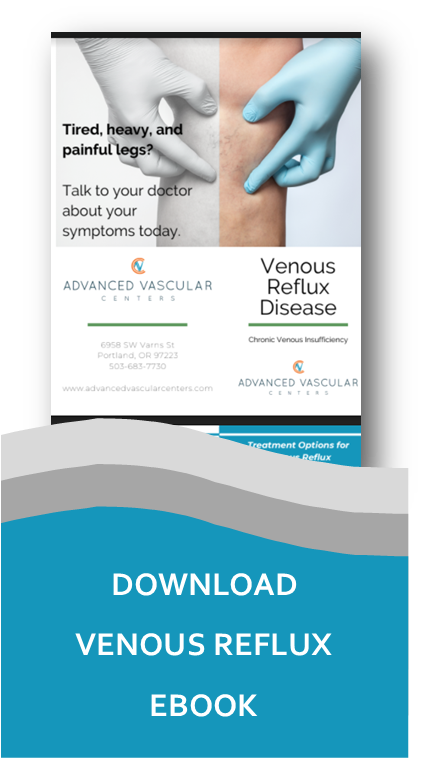
VENOUS REFLUX DISEASE
In the human body’s vascular system, arteries carry blood away from the heart and around the body, while veins carry it back. Valves inside the veins help keep the blood from moving backwards. Venous reflux disease (VRD), occurs when veins fail to return blood to the heart properly. The condition most commonly affects the legs. It causes uncomfortable symptoms, such as pain and ulcers, and can worsen without treatment.
DOWNLOAD VENOUS REFLUX DISEASE BROCHURE
Contact AVC to see if our treatment is right for you.
VASCULAR ACCESS MANAGEMENT
Dialysis Access
Dialysis is most successful if your access is functioning well. What happens when you have an issue with your fistula, graft or catheter? The most common outcomes are infection and low blood flow due to narrowing of blood clotting in the arteriovenous (AV) access. Narrowing, also known as stenosis, can lead to clot formation, which will reduce the overall effectiveness of your dialysis treatments, and eventually, blood flow through access may stop.
Contact AVC to see if our treatment is right for you.
TESTIMONIALS

What Do You Need to Know About Rfa Vein Treatment and Important Treatment Options?
A patient-friendly guide to RFA vein treatment, including symptoms, evaluation, treatment options, and questions to ask about vein ablation, laser vein treatment, radiofrequency ablation, and sclerotherapy.

What Do You Need to Know About Evla Treatment and Important Treatment Options?
A patient-friendly guide to EVLA treatment, including symptoms, evaluation, treatment options, and questions to ask about vein ablation, laser vein treatment, radiofrequency ablation, and sclerotherapy.

What Do You Need to Know About Endovenous Laser Ablation and Important Treatment Options?
A patient-friendly guide to endovenous laser ablation, including symptoms, evaluation, treatment options, and questions to ask about vein ablation, laser vein treatment, radiofrequency ablation, and sclerotherapy.

What Do You Need to Know About Vein Specialist and Important Treatment Options?
A patient-friendly guide to vein specialist, including symptoms, evaluation, treatment options, and questions to ask about vein ablation, laser vein treatment, radiofrequency ablation, and sclerotherapy.

What Do You Need to Know About Laser Vein Treatment and Important Treatment Options?
A patient-friendly guide to laser vein treatment, including symptoms, evaluation, treatment options, and questions to ask about vein ablation, laser vein treatment, radiofrequency ablation, and sclerotherapy.

What Do You Need to Know About Vein Ablation and Important Treatment Options?
A patient-friendly guide to vein ablation, including symptoms, evaluation, treatment options, and questions to ask about vein ablation, laser vein treatment, radiofrequency ablation, and sclerotherapy.

What Do You Need to Know About Varicose Vein Treatment and Important Treatment Options?
A patient-friendly guide to varicose vein treatment, including symptoms, evaluation, treatment options, and questions to ask about vein ablation, laser vein treatment, radiofrequency ablation, and sclerotherapy.

What Do You Need to Know About Varicose Veins and Important Treatment Options?
A patient-friendly guide to varicose veins, including symptoms, evaluation, treatment options, and questions to ask about vein ablation, laser vein treatment, radiofrequency ablation, and sclerotherapy.
Where to start with vascular care
Should I start with an artery or vein guide?
Artery and vein conditions are different, and the cause of a symptom is not always clear from how it feels. Start with the condition your clinician mentioned, or use the directory to prepare questions for a vascular care visit. A web guide cannot determine the cause of your symptoms.
Browse AVC vascular condition guides
What if I already had vascular testing?
Ask the office whether it needs reports, imaging, or notes from earlier visits. During your consultation, ask which information helps guide your options, what else the team may need, and whether you should coordinate any next steps with your referring clinician.
Vascular care resources for patients
Start with the artery or vein guide that matches your referral. For an overview of conditions affecting blood vessels and the terms you may hear at a vascular care visit, the National Library of Medicine has a patient guide.