

Condition Care
Fluid Drainage
Image-guided fluid drainage care, including paracentesis and thoracentesis, in an outpatient setting when appropriate.
Overview
Overview of Fluid Drainage
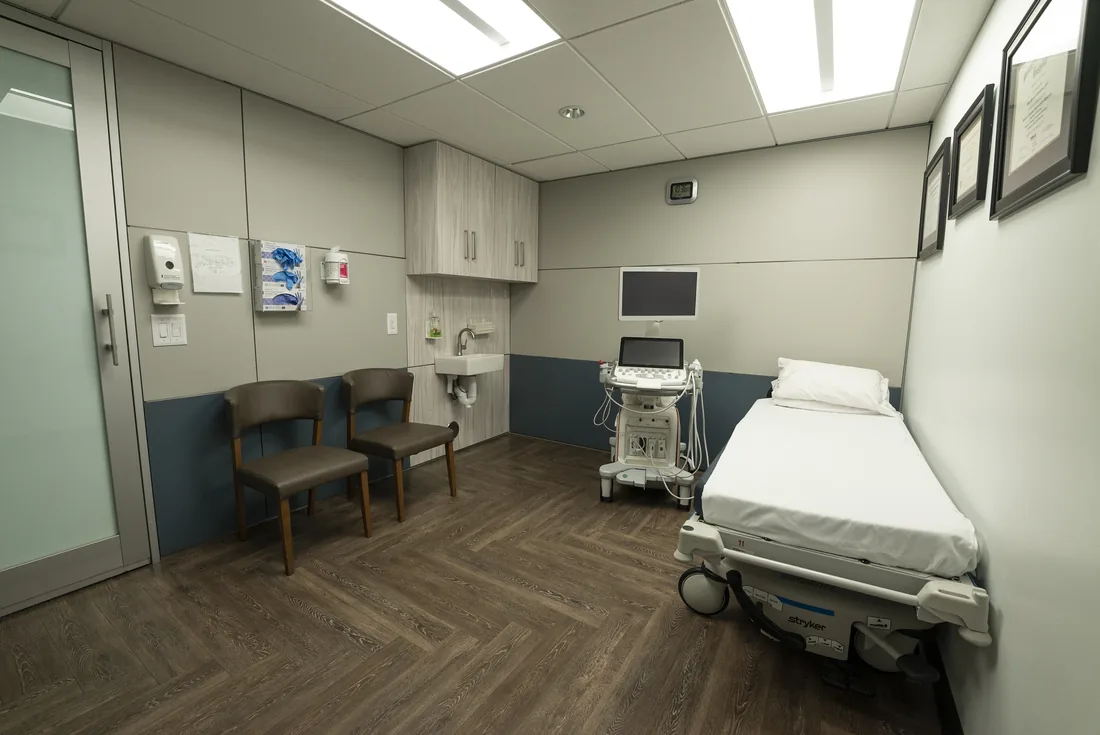
Fluid drainage may be needed when excess fluid collects in the abdomen, around the lungs, or in another area and causes pressure, discomfort, or breathing symptoms. Image guidance helps place the needle or catheter precisely.
AVC evaluates whether outpatient image-guided drainage is appropriate and helps patients understand the purpose, expected relief, and follow-up plan.
Symptoms
Fluid Drainage Symptoms
Symptoms vary from patient to patient, but these concerns often lead people to seek a focused evaluation.
- Abdominal fullness, tightness, or discomfort
- Shortness of breath or chest pressure from fluid around the lung
- Swelling or pressure from a fluid collection
- Symptoms that make eating, breathing, or movement harder
- A need for diagnostic fluid testing
Treatment Options
Fluid Drainage Treatment Options at AVC
Treatment depends on the diagnosis, imaging findings, symptom severity, and overall health. These AVC procedure pages explain related image-guided options.
FAQs
Top 10 Fluid Drainage Questions
Fluid drainage may be needed when excess fluid collects in the abdomen, around the lungs, or in another area and causes pressure, discomfort, or breathing symptoms. Image guidance helps place the needle or catheter precisely.
Common symptoms may include abdominal fullness, tightness, or discomfort, shortness of breath or chest pressure from fluid around the lung, swelling or pressure from a fluid collection, symptoms that make eating, breathing, or movement harder. A focused evaluation helps determine whether the symptoms match this condition or another cause.
Consider an evaluation when symptoms are persistent, worsening, limiting daily activity, or not improving with conservative care. Urgent symptoms should be handled by emergency care first.
The AVC team reviews symptoms, medical history, prior treatments, and imaging. Additional vascular or image-guided evaluation may be recommended when it helps guide next steps.
Treatment depends on the diagnosis, imaging findings, symptom severity, and overall health. These AVC procedure pages explain related image-guided options.
Paracentesis is one related AVC treatment pathway that may be considered after evaluation. The specific recommendation depends on diagnosis, imaging, safety factors, and treatment goals.
AVC focuses on non-surgical, minimally invasive, image-guided procedures when they are appropriate. Some patients may still need medication, conservative care, surgery, or another referral depending on findings.
Candidacy depends on symptom pattern, imaging results, overall health, current medications, and whether the expected benefit outweighs risk. AVC reviews these factors before recommending a procedure.
Recovery varies by procedure and patient. Many outpatient image-guided procedures are designed for same-day care, and the care team explains activity limits and follow-up before treatment.
Request an appointment with AVC or send a referral so the team can review symptoms, imaging, and the most appropriate next step.